Lina Irawan
Over a pivotal half-decade, Chinese President Xi Jinping embarked on an unprecedented series of overseas engagements, fundamentally reshaping China’s role on the global stage and defining what has come to be known as "major-country diplomacy with Chinese characteristics." From his assumption of the presidency in March 2013, Xi’s diplomatic endeavors saw him visit 58 countries and numerous major international and regional organizations across five continents, totaling 29 trips. These extensive travels and high-level dialogues have earned him the moniker "chief diplomat" of China, signifying a hands-on, proactive approach to foreign policy that diverges from earlier, more cautious stances.
This period marked a discernible shift in Beijing’s international strategy, moving from a philosophy of "hide your strength, bide your time" to one of assertive engagement and leadership in key global areas. Xi’s diplomacy has been instrumental in amplifying China’s influence in matters of global peace, security, economic governance, and development. Crucially, these trips have served as platforms to articulate and promote a distinct Chinese vision and approach to international relations, centered on principles of win-win cooperation and the ambitious goal of building a community with a shared future for mankind. This comprehensive diplomatic offensive has not only forged new partnerships and strengthened existing ones but has also laid the ideological and practical groundwork for a new era of Chinese global leadership.
The Genesis of a New Diplomatic Era: Xi’s Inaugural Journeys
The inception of this proactive diplomatic strategy was immediately apparent. Xi Jinping’s first foreign trip as Chinese President, in March 2013, to Moscow, Russia, was a meticulously orchestrated debut for his new diplomatic approach. This visit was not merely a ceremonial introduction but a strategic articulation of China’s emerging global outlook. Addressing an audience at the prestigious Moscow State Institute of International Relations, President Xi delivered a seminal speech that laid bare the philosophical underpinnings of his foreign policy. He emphatically stated, "To keep up with the times, we cannot have ourselves physically living in the 21st century, but with a mindset belonging to the past, stalled in the old days of colonialism, and constrained by zero-sum Cold War mentality." This powerful declaration served as a direct challenge to traditional geopolitical paradigms, advocating instead for the urgent necessity of constructing a new type of international relations defined by win-win cooperation.
This inaugural journey set a precedent for the intense engagement that would follow. The choice of Russia for his first visit underscored the strategic importance Beijing placed on strengthening its relationship with Moscow. Over the subsequent five years, Xi’s six visits to Russia and more than 20 meetings with Russian President Vladimir Putin across various international forums solidified what both leaders frequently described as the "best in history" bilateral ties. This robust partnership, encompassing extensive cooperation in energy, trade, and defense, has been consistently portrayed by both nations as a crucial "anchor for global peace and security," particularly in an increasingly volatile international landscape. Vyacheslav Volodin, Chairman of the Russian State Duma, observed, "I believe that the model of bilateral relations that we have created should become one of the examples of civilized interaction between countries in the 21st century," highlighting the mutual aspiration for this relationship to serve as a template for 21st-century statecraft.
Forging Bilateral Bonds: A Web of Win-Win Partnerships
Beyond Russia, Xi’s diplomatic footprint extended across the globe, focusing on building a complex web of bilateral relationships grounded in his principles of non-conflict, non-confrontation, mutual respect, and win-win cooperation.
Navigating US Relations Amidst Change:
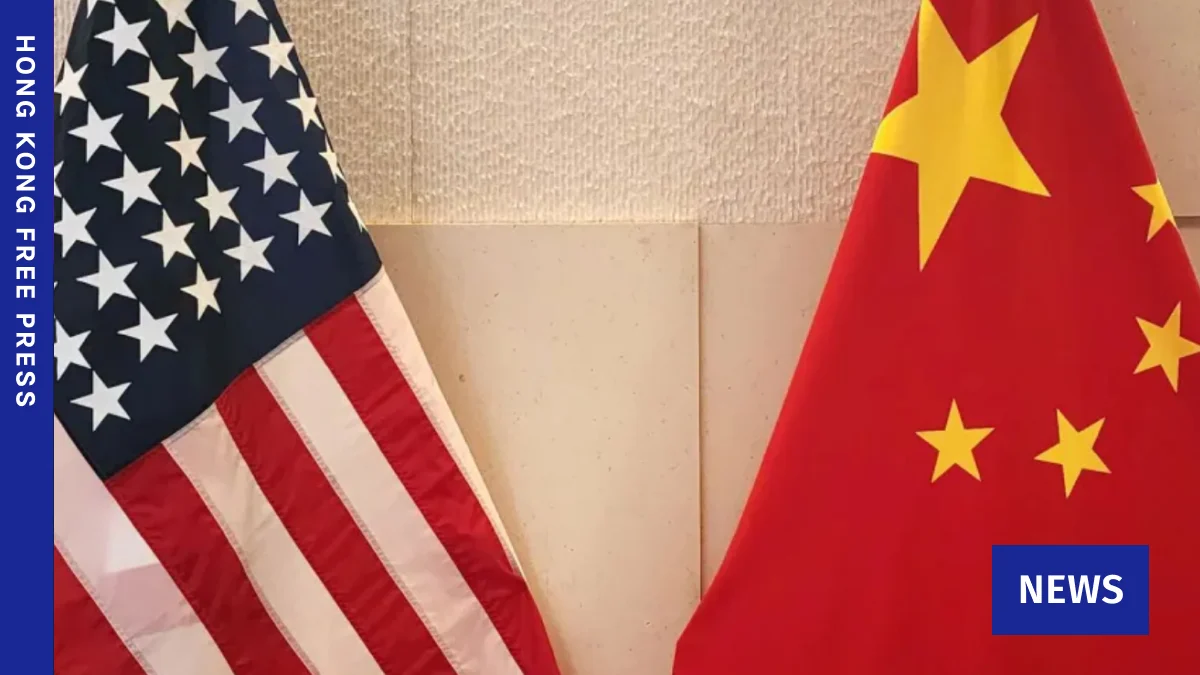
The relationship with the United States, often described as the most important bilateral relationship globally, presented unique challenges, particularly amidst shifts in White House leadership and consequent uncertainties. Despite inherent strategic rivalries and points of contention on trade, human rights, and regional security, President Xi’s direct exchanges with US President Donald Trump led to the establishment of new high-level dialogue mechanisms. These frameworks, such as the Comprehensive Economic Dialogue and the Diplomatic and Security Dialogue, were designed to manage disagreements and promote global peace and security through structured engagement. While tensions persisted, particularly on trade imbalances and technological competition, these diplomatic channels aimed to provide a degree of stability and predictability in a critical global dynamic. Observers noted that while the fundamental competition remained, Xi’s consistent articulation of "new type of major-country relations" aimed to prevent outright confrontation, emphasizing areas of shared interest.
Deepening Ties with Europe:
China-Europe relations also expanded significantly under Xi’s leadership. Each of his tours to the continent was meticulously designed to foster a partnership with the European Union based on peace, growth, reform, and mutually beneficial bilateral cooperation. This included substantial economic dialogues, cultural exchanges, and joint initiatives. A particular focus was placed on strengthening ties with the countries of Central and Eastern Europe (CEE) through mechanisms like the "16+1 cooperation" (later "17+1" with Greece’s inclusion). This platform, fostering cooperation in areas like infrastructure, trade, and investment, largely eased initial European worries about China’s intentions, demonstrating Beijing’s commitment to diverse engagement beyond traditional Western European powers. For instance, Chinese investment in ports in Greece and railways in Hungary and Serbia showcased tangible benefits, though some EU members raised concerns about adherence to EU standards and broader geopolitical implications.
Strengthening Regional Integration in Asia:
Approximately half of Xi’s overseas visits during this period were dedicated to strengthening ties with China’s immediate neighbors, reflecting Beijing’s prioritization of regional stability and economic integration. These efforts included the establishment of the Lancang-Mekong Cooperation mechanism, aimed at promoting sustainable development and cooperation among riparian states in Southeast Asia. Furthermore, the updated version of the China-Association of Southeast Asian Nations (ASEAN) Free Trade Area underscored China’s commitment to deepening economic integration within the region, leading to significant increases in bilateral trade volumes and investment flows. Another notable initiative was the Bangladesh-China-India-Myanmar Economic Corridor (BCIM-EC), a proposed multi-modal corridor aimed at enhancing connectivity and trade, despite facing complex geopolitical considerations. These initiatives aimed to position China as a central economic engine and a reliable partner for regional development, promoting shared prosperity.
Expanding Influence in the Global South:
Concurrently, cooperation with developing countries in Africa and Latin America experienced substantial growth. China’s involvement in a myriad of infrastructure and development projects across these continents became a hallmark of its major-country diplomacy. In Africa, initiatives under the Forum on China-Africa Cooperation (FOCAC) saw China finance and build railways, roads, ports, and industrial parks, significantly contributing to the continent’s infrastructure development. Examples include the Mombasa-Nairobi Standard Gauge Railway in Kenya and the Addis Ababa-Djibouti Railway. Similarly, in Latin America, China’s engagement grew through increased trade, investment in natural resources, and infrastructure development, often facilitated by forums like the China-CELAC (Community of Latin American and Caribbean States) Forum. While these partnerships brought much-needed investment and development opportunities, they also prompted discussions among international observers regarding issues of debt sustainability and the long-term implications of China’s growing economic and political influence in these regions. China consistently countered these concerns by emphasizing the demand-driven nature of its projects and their alignment with local development priorities.
Championing Multilateralism and a Shared Future
A central pillar of President Xi’s major-country diplomacy has been his unwavering advocacy for multilateralism and the ambitious proposal to build a "community with a shared future for mankind." This concept, articulated across numerous international platforms, serves as the overarching philosophical framework for China’s diplomatic efforts concerning individual states, regional blocs, and international organizations.
The "Community with a Shared Future for Mankind" (CSFM):
First introduced in 2013, the CSFM concept moved beyond traditional notions of state-centric interests to propose a vision of global interconnectedness where nations share common interests and responsibilities. It suggests a new model of international relations based on dialogue, partnership, and shared solutions to global challenges, rather than confrontation and zero-sum competition. This proposal has been presented as China’s answer to complex global problems, embodying principles of openness, inclusiveness, and win-win cooperation. It gained increasing prominence in Xi’s speeches at the United Nations and other forums, signaling China’s intent to lead in shaping a more equitable and cooperative global order.
The Belt and Road Initiative (BRI): A Flagship Vision:
Embodying the spirit of the CSFM, the Belt and Road Initiative (BRI), also proposed by Xi Jinping in 2013, emerged as the flagship initiative of China’s major-country diplomacy. Designed to build extensive trade and infrastructure networks connecting Asia with Europe, Africa, and beyond, along and beyond the ancient Silk Road trade routes, the BRI quickly became the largest infrastructure project in human history. By the end of this five-year period, it had attracted participation from over 100 countries and international organizations, with hundreds of billions of dollars committed to projects ranging from railways, ports, power plants, and industrial zones.
Key BRI projects, such as the China-Pakistan Economic Corridor (CPEC), the Mombasa-Nairobi Railway, and the expansion of the Port of Gwadar, aimed to enhance connectivity, facilitate trade, and foster economic growth across participating nations. Crucially, the initiative’s projects were often aligned with the development strategies of many countries and framed as contributing to the United Nations 2030 Sustainable Development Goals, emphasizing shared growth and poverty reduction. President Xi himself characterized the BRI as "perhaps the greatest gift China has ever offered to the world," underscoring its potential for broad-based global development. While praised for its potential to bridge infrastructure gaps and boost trade, the BRI also attracted scrutiny regarding debt sustainability for recipient countries, environmental impacts, and transparency in project contracting. China consistently responded by emphasizing the principle of "consultation, contribution, and shared benefits."
Global Platforms: Reaffirming Commitment:
President Xi consistently utilized major global platforms to reaffirm China’s commitment to economic globalization, UN-led multilateralism, and global peace.
- UN General Assembly: Xi’s addresses emphasized China’s dedication to the UN Charter, international law, and collective security, advocating for the UN’s central role in global governance. China’s contributions to the UN budget and peacekeeping missions steadily increased, signaling a greater willingness to shoulder international responsibilities.
- World Economic Forum (WEF) in Davos (January 2017): At a time when protectionist sentiments and anti-globalization rhetoric were gaining traction, particularly with the rise of "America First" policies, President Xi delivered a landmark keynote speech. He robustly defended economic globalization, arguing that it was not the root cause of global economic stagnation, high unemployment, or rising populism. Instead, he proposed that "the right thing to do is to seize every opportunity, jointly meet challenges and chart the right course for economic globalization." He outlined a vision for the global economy driven by innovation, open and win-win cooperation, fairer governance, and balanced and inclusive development, presenting China as a steadfast champion of an open world economy.
- G20, APEC, and BRICS Summits: Across these forums, Xi advocated for stronger global economic governance, structural reforms, and innovation-driven growth. At the G20, China pushed for coordinated macroeconomic policies to foster robust, sustainable, balanced, and inclusive growth. During the BRICS summit held in Xiamen, China, in September 2017, Xi emphasized, "In an increasingly interdependent and integrated world where countries form a community of shared interests, openness, inclusiveness and win-win cooperation are the only viable option," reinforcing the core tenets of his diplomatic philosophy.
The international community largely recognized China’s growing commitment to multilateralism. UN Secretary-General Antonio Guterres stated, "Multilateralism is the solution for the global problems, and China has been a strong pillar of multilateralism." His predecessor, Ban Ki-moon, had earlier lauded China as "an indispensable partner for the UN’s agenda."
Concrete Actions for a Better World:
China’s commitment to global responsibility was also demonstrated through concrete actions in critical areas:
- Climate Change: Following the US withdrawal from the Paris climate change accord, China emerged as a leading advocate and implementer of the agreement. It significantly ramped up its investments in renewable energy, set ambitious carbon emission reduction targets, and actively participated in international climate negotiations, cementing its role as a global leader in addressing environmental challenges.
- UN Peacekeeping: China substantially increased its contributions to UN peacekeeping missions, both in terms of personnel and financial resources. By the end of this period, China had become the largest troop contributor among the permanent members of the UN Security Council and the second-largest financial contributor to the UN peacekeeping budget. This represented a notable shift from its historical posture, signaling a greater willingness to contribute to international security and stability.
Broader Implications and the Evolving Global Order
The five years of President Xi Jinping’s "major-country diplomacy" irrevocably altered China’s standing in the world and had profound implications for the evolving global order. This period witnessed China’s transition from a rising power primarily focused on economic development to a confident global actor actively shaping international norms and institutions.
Reshaping Geopolitics: Xi’s diplomatic offensive signaled a clear intention to move beyond a passive role, actively challenging the unipolar moment and advocating for a more multipolar world. The strengthening of alliances with Russia, the assertive promotion of the BRI, and the consistent push for multilateralism all underscored China’s ambition to be a co-architect of global governance, not merely a beneficiary. This shift inevitably led to increased strategic competition, particularly with the United States, as traditional power dynamics were re-evaluated.
Economic Impact: Economically, China’s major-country diplomacy facilitated a deeper integration of its economy with global markets, particularly through the BRI. It expanded China’s trade networks, secured access to vital resources, and created new avenues for Chinese companies to invest overseas. For many developing countries, China became an indispensable source of infrastructure financing and investment, offering an alternative to traditional Western lending models. This had a significant impact on global trade flows, commodity markets, and the distribution of economic power.
Soft Power and Ideological Influence: Through the articulation of concepts like the "community with a shared future for mankind" and the promotion of "win-win cooperation," China actively sought to export its own vision of international relations. This ideological push aimed to present an alternative to Western liberal democratic norms, emphasizing state sovereignty, non-interference, and a focus on collective development. While these ideas resonated with many developing nations, they also sparked debates in Western capitals about the implications for human rights, democratic values, and the rules-based international order.
Future Trajectory: The period from 2013 to 2018 laid the foundation for China’s continued assertive foreign policy. It established a precedent for highly personalized diplomacy led by President Xi and entrenched key initiatives like the BRI as central tenets of China’s global strategy. The implications for the coming decades are multifaceted: continued geopolitical shifts, intensified competition in technology and trade, and a persistent effort by China to redefine global governance in line with its national interests and ideological principles. This era undeniably marked the emergence of China as a true "major country" in every sense of the word, actively shaping the 21st-century global landscape.

 Jia Lissa
 Suro Senen