Asro
Asro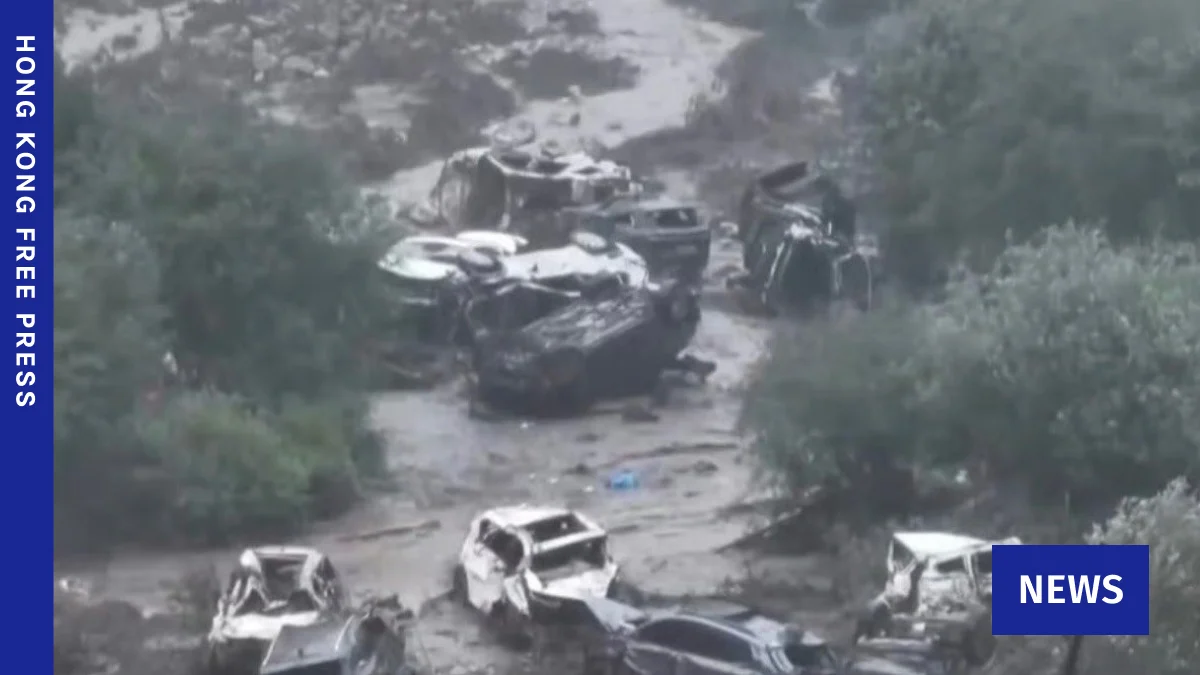
The tragic death toll from a devastating flash flood that swept through a popular scenic area in northwest China has risen to 25, with 23 individuals also sustaining injuries, state media reported on Sunday, approximately one week after the initial calamity. This grim update underscores the severe and often unpredictable nature of natural disasters in the region, particularly during the intense summer monsoon season. The incident, which occurred on July 26, engulfed the Shuangshimen Scenic Area, a cherished tourist destination known for its natural beauty and favored by day campers, in Gansu Province. Initial reports following the disaster had confirmed 10 fatalities, alongside the 23 injured, highlighting the challenges in accurately assessing the immediate aftermath of such a rapid-onset event.
The Catastrophic Event at Shuangshimen Scenic Area

The Shuangshimen Scenic Area, nestled in the mountainous southern reaches of Gansu, is a picturesque landscape renowned for its dramatic natural stone arches, sprawling alpine meadows, and pristine mountain streams. Its idyllic setting, however, belies a inherent vulnerability to the powerful forces of nature, especially sudden hydrological events. On July 26, this tranquility was shattered as torrential rainfall in the upstream areas triggered a ferocious flash flood. Eyewitness accounts and videos that rapidly circulated online depicted terrifying scenes of raging torrents of water surging violently through a valley, overwhelming areas where numerous tents and private vehicles were parked. The sheer speed and volume of the water left little to no time for many visitors to react or evacuate, transforming a leisurely outing into a desperate struggle for survival. The nature of flash floods in mountainous terrain—characterized by rapid onset, extreme flow velocities, and high sediment loads—makes them exceptionally dangerous, particularly for those recreating in riverbeds or low-lying areas. The popular practice of "day camping" or picnicking alongside streams in such scenic spots, while appealing, often places individuals directly in harm’s way when weather conditions deteriorate unexpectedly.
A Week of Search, Rescue, and Rising Casualties
In the immediate aftermath of the flood, a massive search and rescue operation was launched by local authorities, involving hundreds of emergency personnel, including firefighters, police, and medical teams. The rugged terrain and the destructive power of the floodwaters complicated these efforts significantly, as debris, mud, and rapidly flowing water impeded access to affected areas. Initial rescue missions focused on locating survivors and providing immediate medical aid to the injured. Many of those rescued were reportedly suffering from injuries ranging from minor cuts and bruises to more severe trauma, hypothermia, and shock. The initial count of 10 fatalities reflected the bodies recovered in the first hours and days, but as search teams meticulously combed through the affected valley, recovering more victims from the extensive debris fields and sediment deposits, the true scale of the tragedy began to emerge. The updated toll of 25 dead, announced a week later, underscores the painstaking and often heartbreaking process of recovery and identification in such large-scale natural disasters. The ongoing presence of 23 injured individuals also highlights the significant medical and psychological support required for those who survived the ordeal.

National Investigation and Calls for Accountability
The escalating death toll has prompted a robust official response, with the country’s national commission for disaster prevention announcing it would oversee a comprehensive investigation into the incident. This move, reported by Xinhua, signals the gravity with which the central government views the disaster and its potential implications for public safety and disaster management protocols, especially in tourist areas. Such an investigation typically seeks to ascertain the precise causes of the flood, evaluate the effectiveness of early warning systems, assess the responsiveness of local authorities, and examine the safety measures in place for visitors to the Shuangshimen Scenic Area. Key questions will likely revolve around whether adequate weather warnings were issued, how these warnings were communicated to visitors, and if the infrastructure and management of the scenic area were sufficient to mitigate risks in the face of extreme weather. The findings of such an inquiry are crucial not only for holding accountable any parties found negligent but also for informing future policy and preventative measures to avert similar tragedies. It is a standard practice in China for high-profile incidents involving significant casualties to trigger central government oversight, reflecting a commitment to learning from disasters and improving national resilience.
China’s Broader Battle Against Extreme Weather

The flash flood in Gansu is not an isolated incident but rather one of several severe weather events that have battered China throughout an unusually harsh summer. The nation has experienced large swathes of the country grappling with widespread flooding, landslides, and other climate-related calamities. Just in July, the month of the Shuangshimen disaster, several other regions reported significant impacts:
- Hubei Province: Intense storms led to the deaths of at least 11 people, causing widespread disruption and damage to infrastructure.
- Guangxi Region: In southern China, torrential rainfall resulted in 6 fatalities and necessitated the evacuation of over 130,000 people. Multiple dams in the region were breached, exacerbating the flooding and underscoring the immense pressure placed on water management systems during extreme precipitation events.
- Dangchang County, Gansu: In a stark reminder of the province’s vulnerability, a separate landslide in Dangchang County, also in southern Gansu, claimed 21 lives in the same month. This incident highlights the compound risks faced by mountainous regions, where heavy rainfall can trigger both flash floods and devastating landslides.
These events collectively paint a picture of a nation increasingly confronted by the adverse effects of a changing climate. China, like many other parts of the world, has seen a discernible increase in the frequency and intensity of extreme weather phenomena, including heavier rainfall, more prolonged heatwaves, and more powerful typhoons. This trend places immense strain on emergency services, infrastructure, and agricultural sectors, demanding continuous adaptation and significant investment in disaster preparedness and mitigation. The economic cost of these disasters runs into billions of yuan annually, alongside the immeasurable human toll.
Geographic and Climatic Context: Why Gansu is Vulnerable

Gansu Province, a landlocked region in northwest China, is characterized by its diverse and often challenging topography, ranging from arid deserts to high mountains and plateaus. The southern part of the province, where Shuangshimen is located, is particularly mountainous, featuring deep valleys and numerous rivers and streams that flow down from the Qinling and other ranges. While these features contribute to the region’s scenic beauty, they also make it highly susceptible to flash floods and landslides. During the summer monsoon season, which typically runs from June to September, the region experiences significant rainfall. When intense, localized downpours occur over steep, deforested, or heavily cultivated slopes, the ground’s capacity to absorb water is quickly overwhelmed. This leads to rapid surface runoff, concentrating into powerful torrents that surge down valleys, collecting debris, rocks, and sediment, transforming small streams into destructive walls of water and mud. The geology of Gansu, often comprising loose loess soil and weathered rock, further exacerbates landslide risks when saturated by heavy rains. The very elements that attract tourists—the natural streams and valley floors—are precisely the areas most vulnerable during such events.
Implications for Disaster Management and Tourism Safety
The tragic events at Shuangshimen underscore critical implications for disaster management strategies, particularly concerning tourist safety in natural scenic areas. Firstly, it highlights the paramount importance of robust and real-time weather forecasting and early warning systems. While meteorological predictions have advanced significantly, communicating these warnings effectively and ensuring compliance from the public, especially transient populations like tourists, remains a challenge. Scenic area operators and local governments bear a significant responsibility in establishing clear evacuation protocols, installing physical warning signs, and perhaps even restricting access during periods of high risk.

Secondly, the incident calls for a re-evaluation of infrastructure within vulnerable scenic areas. The presence of tents and cars in the path of the flood suggests that designated camping or parking zones might be in areas prone to inundation. Future planning must prioritize safety by relocating such facilities to higher ground or implementing more resilient designs that can withstand sudden environmental shifts.
Finally, the broader context of increasing extreme weather events in China, linked to global climate change, necessitates a long-term strategic approach. This includes not only reactive measures like improved search and rescue but also proactive initiatives such as ecological restoration (e.g., reforestation to stabilize slopes), enhanced water conservancy projects, and public education campaigns on disaster preparedness. Balancing the economic benefits of tourism with the imperative of safeguarding human lives in a changing climate is a complex challenge that requires ongoing attention and adaptive management from authorities across China. The investigation into the Shuangshimen tragedy will undoubtedly provide valuable, albeit hard-won, lessons that could shape future policies and hopefully prevent similar loss of life.


 Rifan Muazin
 Basiran