Evan Lee Salim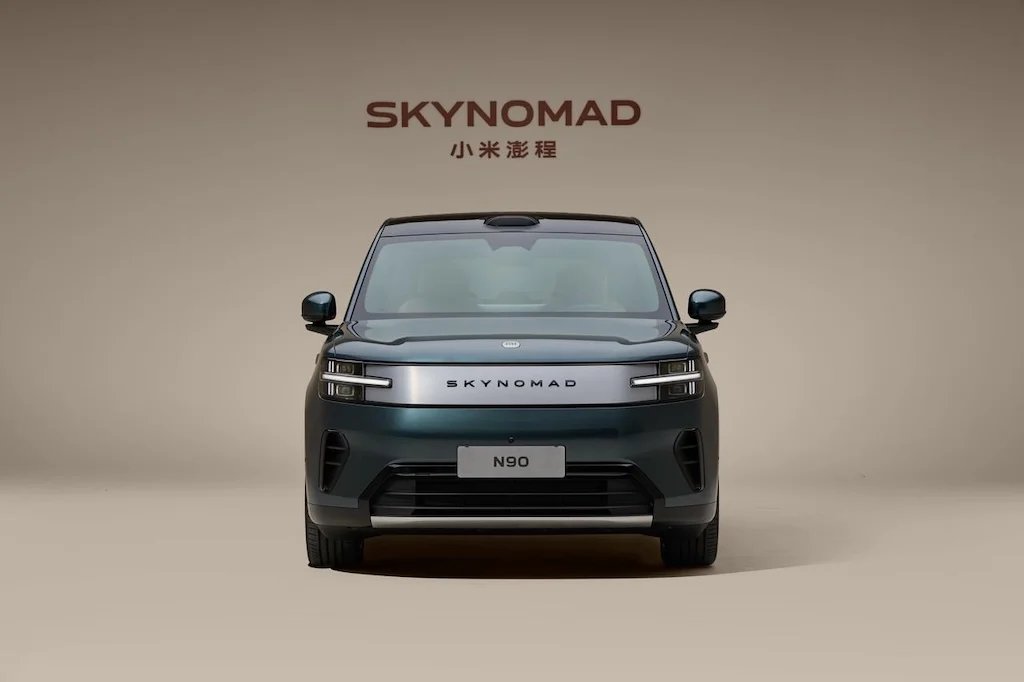
Strategic Expansion into the SUV Segment
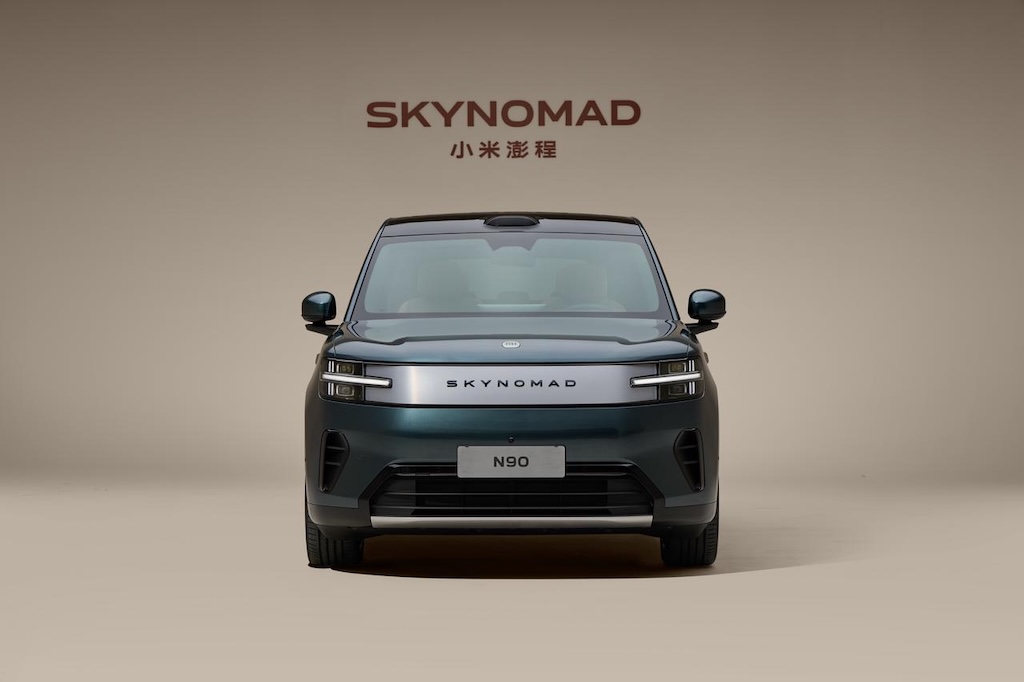
The introduction of the N90 Max represents a crucial step for Xiaomi in diversifying its automotive portfolio beyond the sedan category. SUVs continue to dominate market preferences in China and globally, offering greater utility, space, and a commanding driving position. By entering this segment with an extended-range model, Xiaomi aims to capture a significant share of a market that values both the environmental benefits of electrification and the practicality of long-distance travel without range anxiety. The RMB 299,900 price point positions the N90 Max in the upper-mid to premium segment, competing with established players and new energy vehicle (NEV) startups alike. This pricing strategy suggests Xiaomi is confident in the N90 Max’s value proposition, which blends advanced technology, robust performance, and the seamless integration into the broader Xiaomi ecosystem. The formal release in September will be closely watched by industry analysts and consumers, as it will reveal the final specifications, detailed features, and initial market reception.
Advanced Technological Foundation: HAD, XLA, and Nvidia Thor
At the core of the N90 Max’s sophisticated capabilities lies a formidable technological architecture. The vehicle integrates Xiaomi’s proprietary HAD (Hyper Assisted Driving) system, an advanced suite of intelligent driving features designed to enhance safety and convenience. This system leverages a combination of sensors, high-definition mapping, and sophisticated algorithms to provide robust semi-autonomous driving capabilities, including adaptive cruise control, lane-keeping assist, automatic parking, and urban navigation assistance. The HAD system represents Xiaomi’s commitment to developing its in-house intelligent driving solutions, critical for long-term differentiation in the smart vehicle sector.
Complementing the HAD system is Xiaomi’s XLA cognitive model. This artificial intelligence (AI) powered model is engineered to provide the vehicle with enhanced perception, decision-making, and learning capabilities. The XLA model processes vast amounts of data from the vehicle’s sensors, including cameras, radar, and lidar, to create a comprehensive understanding of the driving environment. It can anticipate potential hazards, adapt to changing road conditions, and continuously learn from real-world driving scenarios, thereby improving its performance over time through over-the-air (OTA) updates. This cognitive layer is essential for delivering a truly intelligent and intuitive driving experience, pushing the boundaries of what assisted driving systems can achieve.
Powering these advanced AI and assisted driving functionalities is Nvidia’s Thor automotive computing platform. Nvidia Thor is a next-generation superchip designed for autonomous driving, AI cockpit functionalities, and advanced driver-assistance systems (ADAS). Its selection by Xiaomi for the N90 Max highlights the company’s commitment to leveraging industry-leading hardware for its vehicles. Thor offers unparalleled computational power, integrating high-performance CPUs, GPUs, and dedicated AI accelerators, enabling real-time processing of complex sensor data and execution of sophisticated AI models. This platform provides the necessary horsepower for the N90 Max to run demanding applications like high-definition mapping, sensor fusion, and predictive analytics, ensuring smooth and reliable operation of its intelligent driving systems. The partnership with Nvidia underscores a trend of automotive manufacturers collaborating with leading semiconductor companies to build the computational backbone for future smart vehicles.
Further enhancing the N90 Max’s perception capabilities is a rear solid-state lidar. Lidar (Light Detection and Ranging) technology uses pulsed laser light to measure distances and create detailed 3D maps of the vehicle’s surroundings. Solid-state lidar offers several advantages over traditional mechanical lidar units, including increased durability, smaller form factor, lower cost, and greater reliability due to the absence of moving parts. A rear-mounted lidar specifically enhances the vehicle’s ability to perceive obstacles and other vehicles behind it, crucial for features like blind-spot monitoring, rear cross-traffic alert, and advanced parking assistance, adding an extra layer of safety and awareness for the driver.
Exceptional Range and Rapid Charging Capabilities
One of the standout features of the N90 Max is its impressive CLTC (China Light-Duty Vehicle Test Cycle) combined range of 1,705 kilometers. The CLTC standard, specifically designed for the Chinese market, generally yields higher range figures compared to the WLTP (Worldwide Harmonized Light Vehicles Test Procedure) or EPA (Environmental Protection Agency) cycles, due to its specific driving patterns and lower average speeds. Nevertheless, a combined range exceeding 1,700 kilometers positions the N90 Max as a leader in the extended-range EV segment, effectively eliminating range anxiety for most consumers. This long range is achieved through a hybrid powertrain system that combines a battery-electric drive with an efficient internal combustion engine acting as a range extender. This architecture allows the vehicle to operate primarily on electric power for daily commutes while offering the flexibility of gasoline for longer journeys, ensuring continuous mobility even when charging infrastructure is sparse.
Beyond its extensive range, the N90 Max boasts impressive energy replenishment capabilities, promising up to 285 kilometers of additional range from just 15 minutes of charging. This rapid charging performance is critical for enhancing user convenience, particularly during long-distance travel. Such quick top-ups allow drivers to minimize downtime and maximize travel efficiency, making the extended-range electric vehicle experience almost as convenient as refueling a conventional gasoline car. This feature is indicative of the rapid advancements in battery technology and charging infrastructure, addressing a key pain point for potential EV adopters.
Xiaomi’s Automotive Journey: A Chronology of Ambition
Xiaomi’s foray into the automotive sector is a testament to its long-term strategic vision, dubbed "Human x Car x Home," which aims to create a seamlessly integrated smart ecosystem. The journey began officially in March 2021, when CEO Lei Jun announced the company’s ambitious plan to invest USD 10 billion over the next decade into its new smart electric vehicle business. Lei Jun famously called it his "last major entrepreneurship project," underscoring the personal commitment and the significance of this venture for the company’s future.
Following the initial announcement, Xiaomi Auto Co., Ltd. was formally established, attracting top talent from both the automotive and technology industries. The company secured a manufacturing license and commenced R&D operations, focusing heavily on autonomous driving, battery technology, and intelligent cockpit systems.
The culmination of these efforts was the highly anticipated launch of the Xiaomi SU7 sedan in March 2024. The SU7 garnered significant attention for its sleek design, competitive pricing, and deep integration with Xiaomi’s HyperOS, the company’s unified operating system. Initial sales figures for the SU7 were robust, exceeding expectations and demonstrating strong consumer confidence in Xiaomi’s ability to deliver a compelling automotive product. The SU7 quickly became a challenger in China’s fiercely competitive EV sedan market, particularly against established players like Tesla’s Model 3 and offerings from Nio and Xpeng.
The N90 Max SUV now represents the next phase of this expansion. While the SU7 targeted the sedan market, the N90 Max addresses the burgeoning SUV segment, which continues to be a high-growth area. This sequential launch strategy allows Xiaomi to gradually build its brand presence and market share across different vehicle categories, catering to a wider range of consumer preferences and needs. The N90 Max’s pre-order phase, leading up to its September release, follows a similar meticulous rollout strategy designed to generate excitement and gather early market feedback.
The "Human x Car x Home" Ecosystem: A Unified Experience
The N90 Max is not merely a vehicle; it is a critical component of Xiaomi’s expansive "Human x Car x Home" smart ecosystem. This strategic framework envisions a future where all Xiaomi devices—smartphones, smart home appliances, wearables, and vehicles—are seamlessly interconnected and operate under a unified intelligent system, HyperOS.
For the N90 Max, this means an unparalleled level of integration. Drivers and passengers can expect their vehicle to communicate effortlessly with their Xiaomi smartphones, smartwatches, and home devices. Imagine controlling smart home appliances like lights, air conditioning, or security cameras directly from the car’s infotainment system, or receiving important vehicle diagnostics and alerts on a Xiaomi smartphone. The car itself becomes another smart device within the home network, extending the intelligent living experience beyond the confines of a house.
This ecosystem approach offers several distinct advantages. Firstly, it provides a highly personalized user experience, with settings and preferences synchronized across all devices. Secondly, it fosters greater brand loyalty by creating a sticky ecosystem that encourages consumers to invest further in Xiaomi products. Thirdly, it unlocks new revenue streams through software services, subscriptions, and smart device integration. By positioning the N90 Max as a central hub within this ecosystem, Xiaomi aims to offer a holistic lifestyle solution rather than just a mode of transport, differentiating itself in a crowded market.
Competitive Landscape and Market Implications
China’s new energy vehicle market is the largest and most competitive globally, characterized by rapid innovation and fierce pricing wars. Xiaomi enters a landscape populated by domestic giants like BYD, which leads in sales volume, and tech-forward startups such as Nio, Xpeng, and Li Auto, all vying for market share with advanced smart features and diverse vehicle offerings. Tesla also maintains a significant presence, particularly in the premium EV segment.
The N90 Max, as an extended-range SUV, directly competes with models from Li Auto, which has found significant success with its range-extended SUVs. Xiaomi’s strategy appears to be leveraging its brand recognition, deep expertise in consumer electronics, and powerful ecosystem integration as key differentiators. The RMB 299,900 price point for the N90 Max suggests a direct challenge to established players, offering a premium experience at a competitive price.
Industry analysts view Xiaomi’s entry into the EV market with a mix of optimism and caution. Its strong brand, vast user base, and substantial capital investment are significant advantages. However, the automotive industry demands immense capital, complex manufacturing processes, and rigorous safety standards, areas where Xiaomi is still building its expertise. The success of the N90 Max will depend not only on its technical specifications but also on production efficiency, supply chain management, and the ability to scale up customer service and charging infrastructure.
The broader implication of Xiaomi’s aggressive EV push is the acceleration of the "tech company as automaker" trend. Companies like Huawei, Baidu, and Sony are also exploring or have entered the automotive space, bringing their software, AI, and connectivity expertise to traditional manufacturing. This convergence is transforming the automotive industry, shifting the focus from purely mechanical performance to software-defined vehicles, intelligent cockpits, and seamless digital experiences. Xiaomi, with its N90 Max, is a prominent player in this paradigm shift, driving innovation and raising consumer expectations for what a vehicle can be. The N90 Max is not just an SUV; it is a declaration of Xiaomi’s intent to be a dominant force in the future of smart mobility, intertwining personal technology with the driving experience in unprecedented ways.

 Jia Lissa
 Nila Kartika Wati