 Ali Ikhwan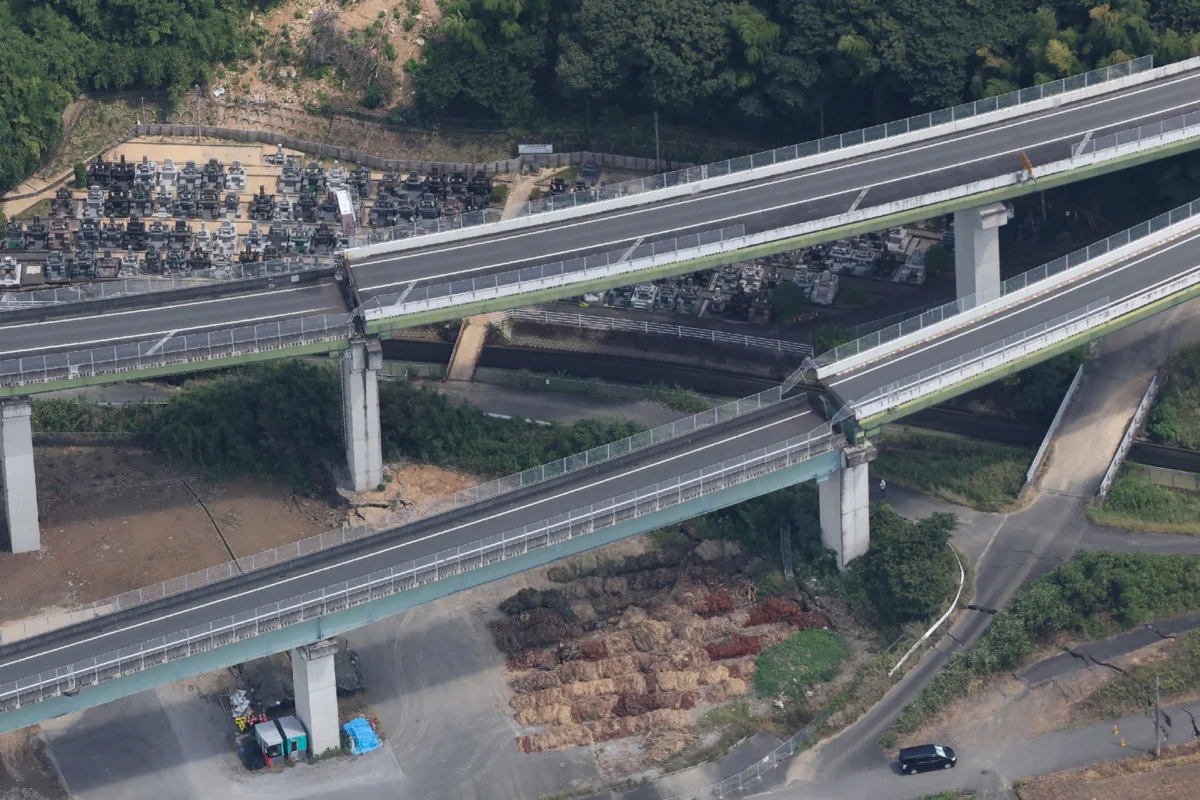
A powerful 7.1-magnitude earthquake struck the southern Japanese island of Kyushu on Tuesday afternoon, causing widespread damage and claiming at least a dozen lives. In the immediate aftermath, the Travel Industry Council of Hong Kong (HKTIC) has confirmed that all 15 tour groups from Hong Kong, comprising approximately 200 tourists, are safe and accounted for. The tremors, which were felt across the island, have led to significant disruption and prompted widespread evacuations, but thankfully, no Hong Kong tourists have reported any injuries or requested assistance thus far.
The earthquake, with its epicenter in Kumamoto Prefecture, unleashed its fury on July 28, 2026, at approximately 9:26 PM local time. Initial reports from the Japan Meteorological Agency indicated a magnitude of 7.1, with a depth of approximately 10 kilometers. This shallow depth contributed to the intensity of the shaking experienced by residents and visitors alike. The tremors were followed by numerous aftershocks, some of considerable magnitude, adding to the ongoing anxiety and the challenge of rescue and recovery efforts.

Immediate Impact and Casualty Figures
As of Wednesday afternoon, the Japanese government confirmed 13 fatalities directly linked to the earthquake. Hundreds of thousands of residents were compelled to evacuate their homes, seeking refuge in temporary shelters or with relatives. The scale of the destruction is still being assessed, with images emerging of collapsed buildings, fractured roads, and widespread damage to infrastructure, including critical transportation networks. The Aeon Mall Kumamoto in Kashima, Kumamoto Prefecture, bore visible scars of the seismic event, illustrating the destructive power unleashed.
The HKTIC, a key liaison for Hong Kong’s travel sector, provided an update on Wednesday, stating that their initial estimates indicated around 200 tourists were traveling in 15 organized groups across Kyushu when the earthquake struck. "All of them are reported to be safe," the council affirmed, offering a measure of relief amidst the grim news.
Travel Industry’s Response and Contingency Plans
The safety of tourists is paramount, and Hong Kong’s travel agencies have been proactive in assessing the situation and implementing contingency plans. The HKTIC acknowledged that tour groups with itineraries that included Kumamoto might need to adjust their plans. "Tour groups with itineraries that include Kumamoto may adjust their itineraries as needed depending on the situation," the council stated. Crucially, they added, "As of now, the Travel Industry Council of Hong Kong has not received any requests for assistance."

This statement underscores the resilience and preparedness of the organized tour operations. However, the situation remains fluid, and agencies are closely monitoring developments.
Wing On Travel, a prominent travel agency, announced on Wednesday the cancellation of its six-day Kyushu tour, which was scheduled to depart on July 31. In a move that prioritizes customer safety and provides financial recourse, the agency confirmed that all tour fees and taxes for the canceled tour would be fully refunded. This decision reflects a cautious approach, acknowledging the potential for ongoing disruptions and the need to ensure traveler well-being.
EGL Tours, another major player in the Hong Kong travel market, reported that as of Tuesday, they had seven tour groups in Kyushu, totaling approximately 140 tourists. Executive Director Steve Huen confirmed that all these individuals were safe. He recounted a specific incident where one group of 15 people was traveling on a highway in Kumamoto when the earthquake struck. The damage to the highway temporarily stranded the tour bus, highlighting the immediate impact of the seismic activity on transportation.

WWPKG, represented by executive director Yuen Chun-ning, also shared details of their operational adjustments. Recognizing that expressways in Kumamoto might remain closed and that hotels were experiencing minor power disruptions, WWPKG rerouted its tour groups scheduled to stay in Kumamoto on Thursday to Fukuoka. Furthermore, sightseeing itineraries for Kumamoto on Thursday and Friday were modified to include Dazaifu and Itoshima, showcasing the flexibility required in navigating such emergencies.
Background: Kyushu as a Tourist Hub
Kyushu, the third-largest island of Japan, is a region renowned for its diverse attractions, including active volcanoes, hot springs, historical sites, and a rich culinary scene. Kumamoto Prefecture, in particular, is a popular destination for international tourists, including a significant number from Hong Kong. The city of Kumamoto itself is known for its majestic castle, a historically significant landmark that has unfortunately sustained damage from the earthquake. The region’s natural beauty, coupled with its unique cultural heritage, draws visitors seeking authentic Japanese experiences. The earthquake’s impact on this vital tourism sector will likely be felt for some time.
Timeline of Events and Response
July 28, 2026 (Tuesday)

- Afternoon: A 7.1-magnitude earthquake strikes Kyushu, Japan, with its epicenter in Kumamoto Prefecture.
- Evening (approx. 9:26 PM JST): The main tremor hits, causing significant shaking and immediate damage. Numerous aftershocks follow.
- Reports emerge: International media begin reporting on the earthquake, its magnitude, and initial damage assessments.
- Hong Kong Travel Agencies: EGL Tours confirms its seven tour groups, comprising about 140 tourists, are safe. One group is temporarily stranded on a highway due to damage.
July 29, 2026 (Wednesday)
- Morning/Afternoon: The Japanese government confirms at least 13 fatalities. Hundreds of thousands are evacuated.
- HKTIC Statement: The Travel Industry Council of Hong Kong confirms all 15 Hong Kong tour groups, with approximately 200 tourists, are safe and have not requested assistance. They note that itinerary adjustments may occur.
- Wing On Travel Announcement: The agency announces the cancellation of its upcoming Kyushu tour and full refunds.
- WWPKG Adjustments: WWPKG announces rerouting of groups to Fukuoka and changes to sightseeing itineraries due to highway closures and power disruptions.
- Immigration Department: The Hong Kong Immigration Department reports no requests for assistance from Hong Kong residents.
Broader Implications and Future Considerations
The earthquake serves as a stark reminder of Japan’s vulnerability to seismic activity. The country is situated on the Pacific Ring of Fire, a horseshoe-shaped zone of intense seismic and volcanic activity. While Japan has a robust disaster preparedness infrastructure, major earthquakes can still overwhelm even the most advanced systems.
The economic implications for Kyushu, particularly its tourism industry, are a significant concern. Recovery efforts will not only focus on rebuilding infrastructure but also on restoring confidence among travelers. The rerouting of tours and the cancellation of some travel plans will undoubtedly have a short-term impact on local businesses that rely on tourist revenue.

For Hong Kong residents, the incident highlights the importance of travel insurance and staying informed through official channels during overseas travel. The swift confirmation of the safety of tour groups by the HKTIC demonstrates the effectiveness of industry coordination and communication protocols in times of crisis.
The long-term recovery of Kumamoto Prefecture and the broader Kyushu region will depend on a concerted effort from national and local governments, as well as international support. The resilience of the Japanese people, coupled with their advanced engineering and emergency response capabilities, offers hope for a strong recovery. However, the human cost of the disaster is profound, and the focus remains on supporting those affected and ensuring the safety and well-being of all residents and visitors.
The Immigration Department’s statement that it has not received any requests for assistance from Hong Kong residents thus far is a positive indicator, suggesting that the organized tour groups are well-managed and their members are receiving necessary support from their respective agencies. However, the department remains vigilant and ready to provide assistance should any Hong Kong residents require it. The situation in Kyushu continues to evolve, and ongoing updates from local Japanese authorities and Hong Kong’s travel industry bodies will be crucial for travelers and their families.

 Jia Lissa
 Lina Hope