 Azzam Bilal Chamdy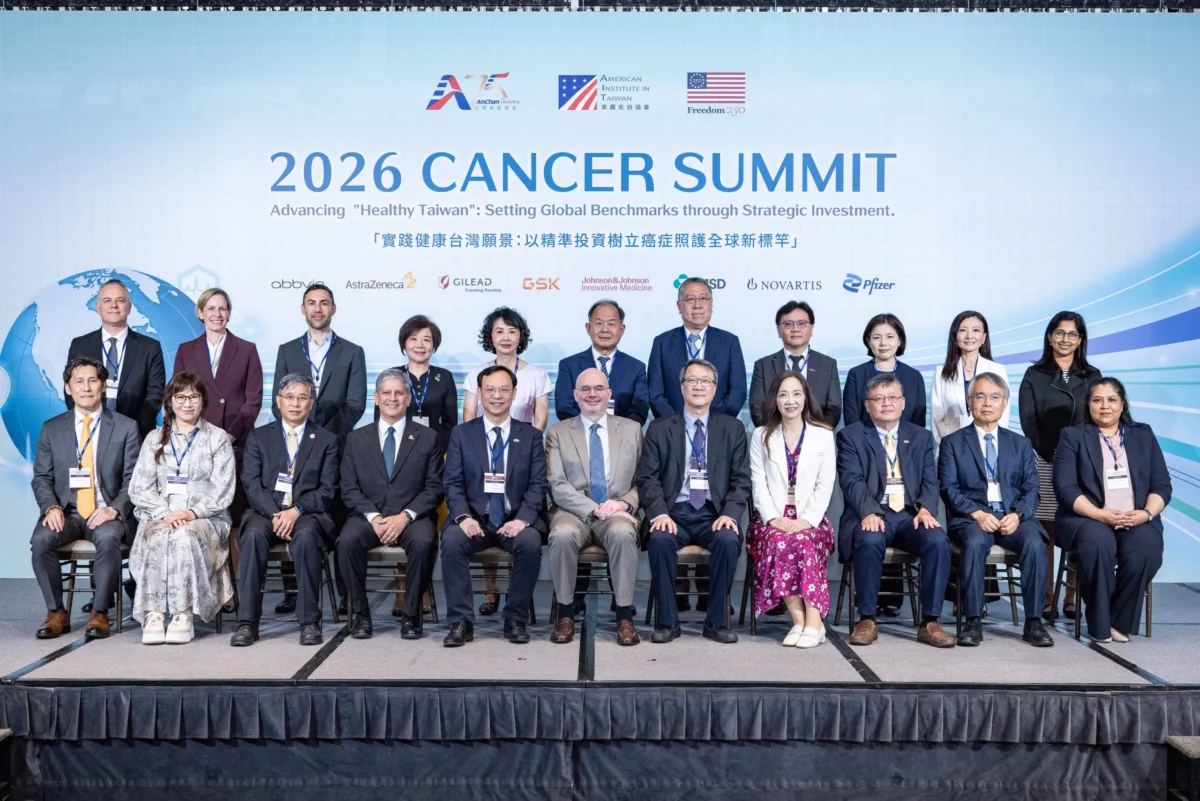
The American Chamber of Commerce in Taiwan (AmCham Taiwan), in a strategic partnership with the American Institute in Taiwan (AIT), successfully convened the 2026 AmCham Taiwan Cancer Summit on July 28 at the Regent Taipei. Operating under the comprehensive theme “Advancing ‘Healthy Taiwan’: Setting Global Benchmarks through Strategic Investment,” the summit served as a high-level assembly for policymakers, healthcare industry titans, academic researchers, and patient advocacy representatives. The primary objective of the gathering was to deliberate on the optimization of resource allocation within Taiwan’s newly established Cancer Drugs Fund (CDF), facilitate broader access to cutting-edge innovative therapies, and ensure that the nation’s oncological care framework remains synchronized with evolving international standards of excellence.
As cancer continues to be the leading cause of death in Taiwan, the summit arrived at a critical juncture for the nation’s healthcare policy. The discussions centered on the realization of President Lai Ching-te’s “Healthy Taiwan” vision, a multi-decade policy roadmap designed to transform the island into a global leader in medical innovation and public health outcomes. Central to this vision is the ambitious target of reducing Taiwan’s standardized cancer mortality rate by one-third by the year 2030.
A Strategic Vision for National Health Transformation
The summit was inaugurated by AmCham Taiwan President Carl Wegner, who emphasized that the battle against cancer is not merely a scientific endeavor but a systemic one. Wegner noted that addressing the complexities of modern oncology requires a tripartite approach involving scientific breakthroughs, sustainable financial investment, and robust cross-sector collaboration. He underscored the vital role of public-private partnerships in translating laboratory innovations into tangible bedside results, arguing that a resilient healthcare system must be future-ready and capable of absorbing rapid technological shifts.
Following the opening remarks, the event featured a Grand Keynote Dialogue with the Minister of Health and Welfare, Shih Chung-liang. Minister Shih provided an in-depth look at the government’s structural reforms, specifically the role of the Healthy Taiwan Promotion Committee. This committee is tasked with overseeing the integration of various health initiatives to ensure that the 2030 mortality reduction goals are met through evidence-based policy and precise resource management.
Minister Shih’s address highlighted a significant shift in the government’s fiscal approach to oncology. He revealed that the budget for cancer screening has been aggressively expanded from NT$2.8 billion to NT$6.8 billion. This increase reflects a proactive "preventative first" strategy, aiming to detect malignancies at earlier, more treatable stages. Furthermore, the formal establishment of the Cancer Drug Fund in 2025 marks a milestone in Taiwan’s healthcare history, providing a dedicated financial mechanism to bridge the gap between the approval of innovative drugs and their reimbursement under the National Health Insurance (NHI) system.
Financial Sustainability and the Cancer Drugs Fund
The first major panel of the day focused on the "Strategic Investment and Long-term Sustainability of the CDF." For years, patient groups in Taiwan have voiced concerns regarding the "reimbursement gap"—the period between a drug’s regulatory approval and its inclusion in the NHI coverage list, which can often take several years. The CDF is designed to mitigate this delay, particularly for high-cost, high-efficacy therapies that may not yet meet the traditional cost-effectiveness thresholds of the standard NHI budget.
Panelists discussed the necessity of "value-based" healthcare, where funding is tied to clinical outcomes. By utilizing real-world evidence (RWE) gathered from the initial implementation of the CDF, the Ministry of Health and Welfare (MOHW) can make informed decisions about which therapies provide the highest value to the Taiwanese population. This data-driven approach is intended to ensure that the CDF remains solvent while continuing to introduce life-saving treatments to the market.
Experts on the panel also explored the digital transformation of cancer care. Minister Shih noted that the government is streamlining administrative hurdles, such as prior authorization processes, through digital integration. By digitizing these procedures, the healthcare system can reduce the time patients wait for treatment while simultaneously collecting granular data for follow-up evaluations. This feedback loop is essential for refining budget allocations and ensuring that every dollar spent contributes directly to the reduction of cancer mortality.
Aligning with International Standards of Care
The second panel of the summit shifted the focus toward clinical excellence and international alignment. Medical experts representing diverse fields—including breast cancer, gynecologic cancers, and hematologic malignancies—shared the latest developments in precision medicine and immunotherapy. A recurring theme was the necessity for Taiwan to adhere strictly to internationally recognized clinical guidelines, most notably those established by the National Comprehensive Cancer Network (NCCN).
The NCCN guidelines are considered the gold standard in oncology, providing evidence-based recommendations for the most effective treatments. Panelists argued that for Taiwan to be a "Global Benchmark," its domestic treatment protocols must mirror these international standards. This alignment is not only a matter of clinical quality but also of international competitiveness; by maintaining world-class care standards, Taiwan continues to be an attractive destination for international clinical trials and pharmaceutical R&D.

The discussion also touched upon the "comprehensive care pathway." This concept advocates for a holistic view of the patient journey, starting from early genetic screening and diagnosis to personalized treatment plans and long-term survivorship support. The goal is to move away from fragmented care and toward a "connected ecosystem" where data and expertise flow seamlessly between primary care providers and specialized oncology centers.
Historical Context: From Moonshot to Summit
The 2026 summit marks the fourth year of this specialized forum, though its roots go back further. Since 2021, AmCham Taiwan and AIT have collaborated on healthcare innovation forums. However, the decision to pivot specifically to a "Cancer Summit" in 2023 was a strategic response to the rising incidence of cancer in Taiwan and the global momentum generated by the U.S. "Cancer Moonshot" initiative.
The Cancer Moonshot, revitalized by the Biden-Harris administration, aims to reduce the cancer death rate in the United States by at least 50% over the next 25 years. Taiwan has mirrored this ambition with its own 2030 goals. This shared priority has strengthened the bilateral relationship between the U.S. and Taiwan, fostering a unique environment for the exchange of policy perspectives, medical technology, and regulatory best practices.
The summit serves as the primary platform for the AmCham Taiwan Pharmaceutical Committee to advocate for policy shifts that benefit both the industry and the patient. By bringing AIT into the fold, the summit elevates these discussions from domestic policy debates to matters of international economic and health cooperation.
Analysis: Implications for the Future of Taiwanese Healthcare
The implications of the 2026 Cancer Summit extend beyond the immediate policy announcements. The event signals a maturing of Taiwan’s healthcare market, characterized by a shift from "cost-containment" to "strategic investment." For decades, the National Health Insurance system has been praised for its efficiency and universal coverage, but criticized for its slow adoption of expensive new drugs. The establishment and funding of the CDF suggest that the government is willing to adopt a more flexible, multi-tiered funding model to maintain its status as a high-tech medical hub.
Furthermore, the emphasis on digital transformation and data collection suggests that Taiwan is positioning itself to be a leader in "Real-World Data" (RWD) research. With a centralized NHI database and a highly digitized society, Taiwan has the potential to provide the global medical community with invaluable insights into the efficacy of new cancer treatments across diverse populations.
From a diplomatic perspective, the continued involvement of AIT highlights the strategic importance of healthcare in the U.S.-Taiwan relationship. As both nations face aging populations and rising healthcare costs, collaborative efforts to find efficiencies and improve outcomes are mutually beneficial. The summit reinforces the idea that healthcare is a pillar of the "Shared Values" that define the partnership between Washington and Taipei.
Conclusion and Commitment
AmCham Taiwan concluded the summit by reaffirming its dedication to working alongside the MOHW, industry partners, and patient groups. The chamber intends to continue its role as a bridge-builder, ensuring that the dialogue between the private sector and the government remains productive and focused on the end goal: a healthier Taiwan.
As the 2030 deadline for reducing cancer mortality approaches, the strategies discussed at the 2026 summit will likely serve as the blueprint for the next phase of Taiwan’s oncological evolution. By focusing on sustainable funding, international clinical alignment, and digital innovation, Taiwan is not just aiming to save lives within its borders but is also setting a precedent for how a modern society can address the most daunting health challenge of the 21st century.
The summit ended with a call to action for all stakeholders to maintain the momentum of the "Healthy Taiwan" vision. With the Cancer Drugs Fund now operational and a clear roadmap in place, the focus turns to execution and the continuous refinement of a care ecosystem that places the patient at the center of every decision. Through continued policy dialogue and unwavering U.S.-Taiwan healthcare collaboration, the goal of a one-third reduction in cancer mortality by 2030 remains a challenging but achievable objective for the nation.


 Lina Hope
 Nana Muazin