Layla Zulfa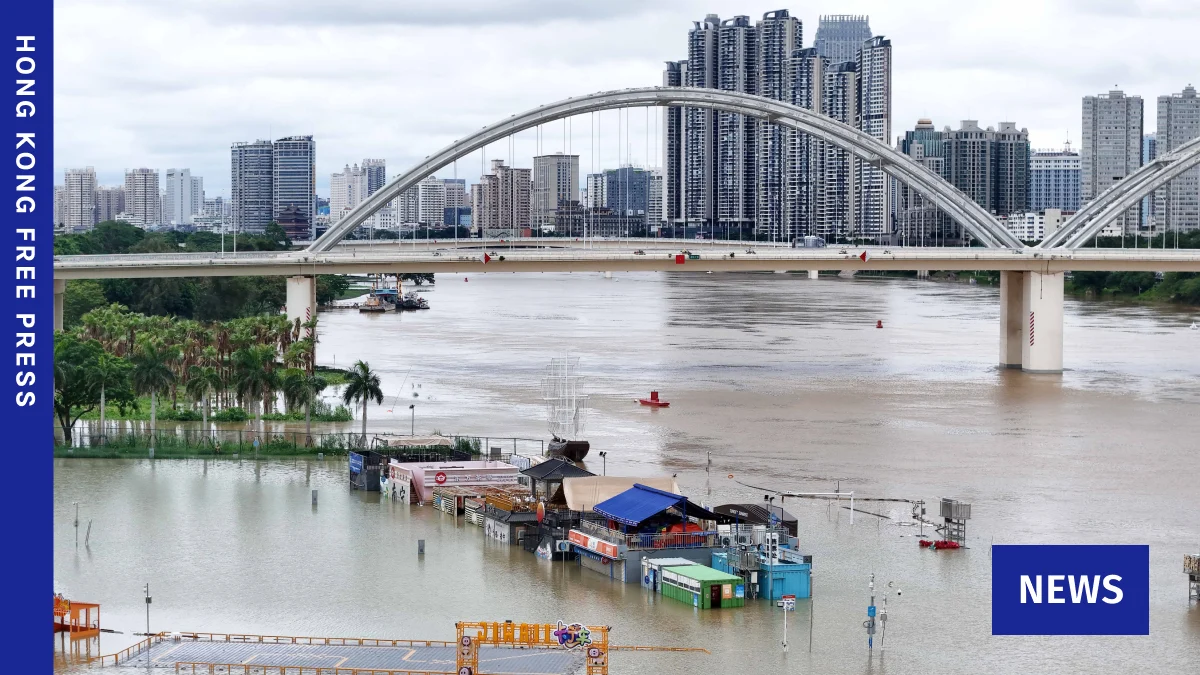
The Deluge in Guangxi: Rivers Swell, Dam Bursts
The southern region of Guangxi has borne the brunt of the initial onslaught, with six confirmed fatalities and a staggering 130,000 people forced to evacuate their homes. The torrential rain, exacerbated by the lingering effects of Typhoon Maysak, which had tracked across the region, unleashed severe flooding that overwhelmed the region’s extensive hydrological network. Reports from regional officials indicate that the relentless downpours caused approximately 40 rivers and waterways in Guangxi to burst their banks, transforming vast swathes of land into muddy torrents. The agricultural sector has suffered a severe blow, with nearly 13,000 acres of vital farmland submerged and damaged, posing significant concerns for local food security and the livelihoods of countless farmers.
A particularly alarming incident unfolded with the catastrophic failure of a reservoir dam in Guangxi. State broadcaster CCTV released harrowing videos depicting powerful torrents of muddy water rushing through the crumbled concrete walls of the breached structure, illustrating the sheer force of the floodwaters. Emergency response teams, clad in life vests, were immediately deployed on inflatable boats, navigating the treacherous currents in a desperate search for stranded residents and potential survivors. The rapid dispatch of rescue workers highlights the immediate and grave danger posed by the sudden release of water from the compromised reservoir. In response to the escalating crisis, Chinese authorities, through the state news agency Xinhua, confirmed the urgent delivery of additional disaster relief supplies to the region. These vital provisions include food, raincoats, and rubber boats, underscoring the immediate needs of the displaced populations and the scale of the ongoing humanitarian effort.

A Nation Mobilizes: Emergency Response and Aid
The State Flood Control and Drought Relief Headquarters has maintained its second-highest level of flood-control emergency response in Guangxi, reflecting the extreme severity and ongoing threat posed by the relentless rainfall and rising water levels. This elevated alert level signifies a national mobilization of resources and personnel to mitigate further damage and assist affected communities. Minister of Water Resources Li Guoying issued a stark warning, predicting that flood peaks "exceeding the warning water level" by more than six meters (approximately 20 feet) are expected at the Wuzhou Hydrological Station in Guangxi by early Thursday. Such unprecedented water levels present an existential threat to existing flood defenses.
Minister Li emphasized the immense pressure on the region’s infrastructure, stating, "Due to the impact of persistent heavy rainfall and the prolonged passage of floodwaters at high levels, the safety of reservoirs and embankments in the affected areas faces a severe test." This statement underscores the critical challenge faced by engineers and emergency services in maintaining the integrity of crucial flood control structures under extreme duress. The long duration of high water levels weakens embankments and foundations, increasing the risk of further breaches and exacerbating the crisis.
Separate Calamities: Hubei’s Violent Storms and Gansu’s Fatal Landslide

While Guangxi battled floods, other parts of China were grappling with their own distinct natural disasters. In the central province of Hubei, violent thunderstorms and gale-force winds claimed another 11 lives and left 331 people injured. Xinhua reported that one person remains missing in Hubei, adding to the grim toll. The destructive force of these storms also resulted in significant structural damage, with 4,800 houses reported damaged and 22 more collapsing entirely. Adding to the meteorological chaos, tornadoes were reported elsewhere across the country late on Monday, demonstrating the widespread and varied nature of the extreme weather events plaguing China. These separate incidents highlight the multi-front challenge faced by emergency responders and local governments in a nation as vast and geographically diverse as China.
In a distinct and equally tragic incident in northwestern China’s Gansu province, a devastating landslide occurred. The death toll from this calamity rose to 21, as reported by state media on Wednesday, a day after the initial event buried 33 people. Rescue teams were immediately dispatched to the site in Rencang village, Dangchang County, where the landslide struck at approximately 6:56 am on Tuesday (2256 GMT Monday). Xinhua confirmed the conclusion of search and rescue operations, stating, "Search and rescue operations at the site of the landslide in Dangchang County have concluded; the landslide resulted in 21 fatalities." The local authorities are still investigating the precise cause of the landslide, which often involves a complex interplay of heavy rainfall saturating unstable soil and geological vulnerabilities. In the aftermath, the government has allocated 30 million yuan (approximately US$4.4 million) in reconstruction funds to aid the recovery efforts and assist the affected communities in rebuilding their lives.
China’s Recurring Battle with Natural Disasters
Natural disasters are a recurrent and often devastating feature of China’s geography and climate, particularly during the summer months. The country experiences a monsoon climate, characterized by intense seasonal rainfall that often leads to severe flooding in river basins like the Yangtze, Yellow, and Pearl Rivers. Conversely, other regions can simultaneously suffer from scorching heatwaves and droughts. This duality of extreme weather events poses a continuous challenge for national disaster management. The sheer scale of China’s population and agricultural land concentrated along major river systems means that even localized events can have widespread and profound impacts. The construction of an extensive network of dams, reservoirs, and flood control embankments over decades has been a cornerstone of China’s strategy to manage these perennial threats, yet the intensity and frequency of recent events are testing these systems to their limits.

High-Level Directives and Intensified Flood Control
The severity of the current situation has prompted a high-level response from the Chinese leadership. President Xi Jinping on Tuesday issued a directive calling for rescuers to "go all out" in organizing emergency operations, as reported by CCTV. This top-down instruction underscores the national priority placed on saving lives, minimizing casualties, and restoring order in the affected regions. Such directives are crucial in mobilizing vast state resources and ensuring coordinated efforts across different governmental departments.
The Minister of Water Resources’ warning about flood peaks exceeding warning levels by significant margins highlights the unprecedented nature of the current challenge. China’s flood control system relies on a multi-tiered approach, combining large-scale infrastructure projects with early warning systems and emergency response protocols. However, prolonged periods of extreme rainfall, as witnessed in Guangxi, put immense strain on these systems. The continuous monitoring of hydrological stations, dam integrity assessments, and strategic water release from reservoirs become critical operational tasks in managing the crisis. The State Flood Control and Drought Relief Headquarters, a powerful inter-agency body, plays a pivotal role in coordinating these efforts, from issuing warnings and managing evacuations to allocating resources and overseeing rescue operations. Their current elevated response level reflects the grave and ongoing threat across multiple provinces.
The Shadow of Climate Change: Future Implications

While it is challenging to attribute any single weather event directly to climate change, scientific consensus suggests that global warming is contributing to more frequent and intense extreme weather phenomena worldwide, including in China. Warmer atmospheric temperatures can hold more moisture, leading to heavier rainfall and increased flood risks. Rising sea levels and altered monsoon patterns could further exacerbate coastal flooding and influence precipitation distribution. For China, a country already highly vulnerable to natural disasters, the implications of a changing climate are profound. It necessitates a reassessment of existing infrastructure, urban planning, and disaster preparedness strategies. Investments in climate-resilient infrastructure, improved early warning systems, and enhanced ecological restoration efforts are becoming increasingly critical to safeguard lives and livelihoods in the face of a rapidly changing global climate. The current spate of disasters serves as a stark reminder of these long-term challenges.
Economic and Social Repercussions: The Road Ahead
The immediate human cost of these disasters – the lives lost, the injured, and the displaced – is immeasurable. Beyond the immediate tragedy, the economic and social repercussions will be substantial and long-lasting. The destruction of nearly 13,000 acres of agricultural land in Guangxi alone represents a significant economic blow, impacting local economies dependent on farming. Damage to infrastructure, including roads, bridges, and housing, will require extensive and costly reconstruction efforts, potentially diverting resources from other development priorities. The psychological trauma experienced by those who have lost loved ones, homes, or livelihoods will also be a profound social challenge, requiring sustained support and recovery programs.
The government’s allocation of 30 million yuan for reconstruction in Gansu, while a necessary first step, hints at the vast financial resources that will be required across all affected regions. The scale of the damage, from crumbled dam walls to collapsed houses, indicates that recovery will be a protracted process. It will involve not only physical rebuilding but also the restoration of essential services, economic activities, and community resilience. As rescue efforts transition into recovery, the focus will shift towards ensuring sustainable rebuilding practices and enhancing preparedness for future events, with the hope of mitigating the impact of China’s recurring battle with nature. The current crisis serves as a poignant reminder of the fragility of human settlements in the face of nature’s raw power and the continuous need for robust, adaptive strategies to protect its vast population.


 Sagoh
Sagoh
 Asro
Asro