Reynand Wu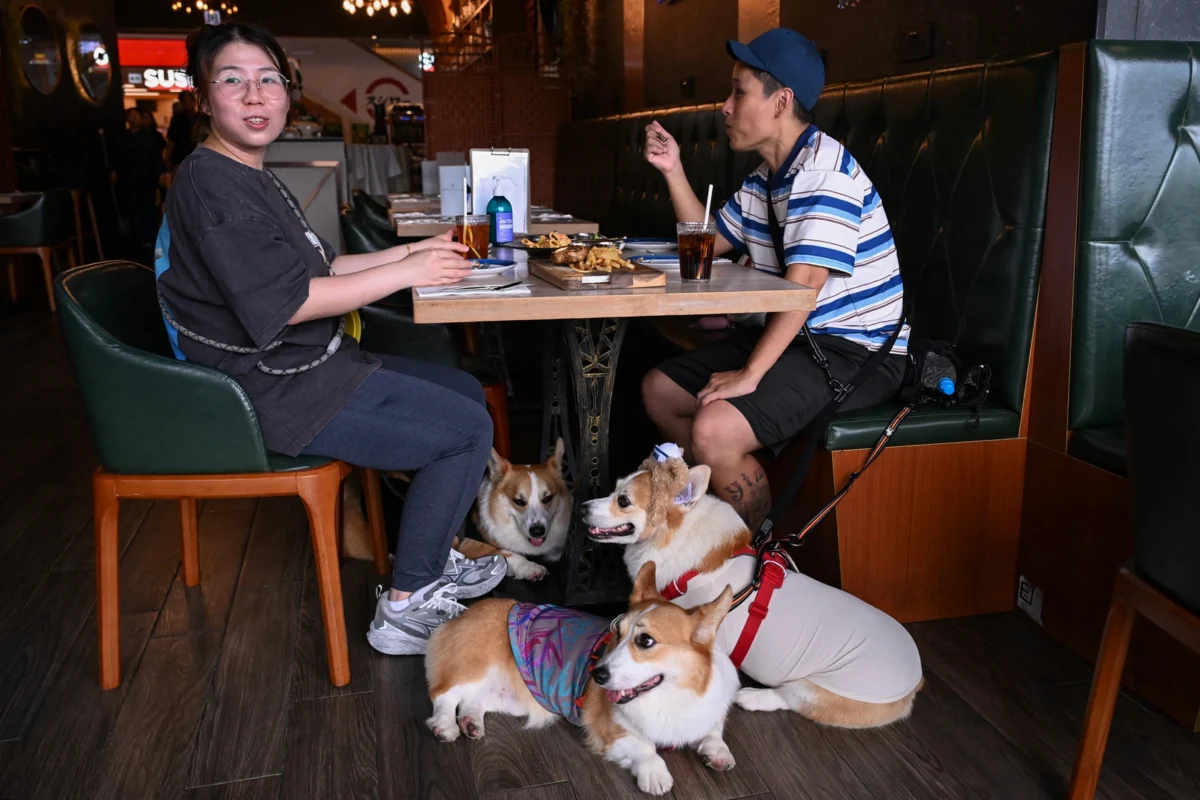
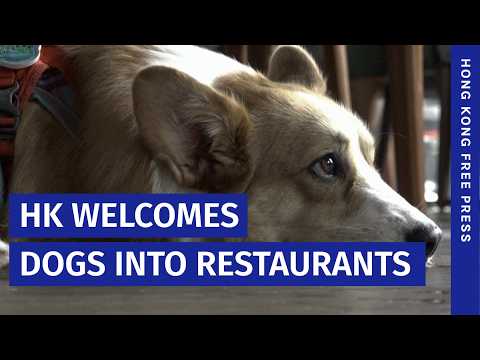
Hong Kong, a city long known for its bustling culinary scene and a growing population of devoted pet owners, has officially opened its doors – and dining rooms – to four-legged friends. As of Thursday, a significant policy shift allows dogs to enter air-conditioned cafes and restaurants for the first time in decades, marking a watershed moment for the city’s approximately 7.5 million residents and its more than 400,000 pet cats and dogs. This groundbreaking initiative, aimed at revitalizing the city’s hospitality sector, has been met with a mix of enthusiasm from pet owners and cautious reservation from some members of the public.
The historic change comes after years of strict regulations that historically confined canine companions to outdoor seating areas or designated pet-friendly zones. Since 1994, only service animals and police dogs were permitted inside food establishments. However, this long-standing restriction was amended this year, a move that reflects a broader governmental push to cultivate a "pet-friendly culture" and capitalize on the burgeoning pet market. Chief Executive John Lee has been a vocal proponent of this cultural shift, recognizing the economic potential and the growing societal embrace of pets as integral family members.
For many, like 62-year-old retiree Joe Lam, the new policy is a welcome relief. On Thursday, Lam was able to share a comfortable afternoon tea with his 15-year-old poodle, Glutinous Rice, inside a climate-controlled cafe. "Usually we sit outside, but I just found out that we can bring the dog in today, so we were happy, because at least it won’t be so hot," Lam told Agence France-Presse (AFP). He considers Glutinous Rice his "second son," underscoring the deep emotional bond many Hong Kongers share with their pets. A staff member at the establishment guided Lam and his wife to a designated table, where they parked the stroller carrying their aging poodle, a scene that would have been unthinkable just days prior.

The implementation of this new policy is being rolled out in phases, with over 900 restaurants participating in the initial stage. However, certain establishments, such as hotpot and barbecue restaurants, have been deemed ineligible for pet-friendly licenses due to inherent safety concerns related to food preparation and high-heat cooking environments.
A Shift in Regulations: A Timeline of Change
The journey to this pet-inclusive dining landscape has been a gradual one. For nearly three decades, the legal framework in Hong Kong strictly prohibited animals, with the exception of service and police dogs, from entering food premises. While dog owners could previously enjoy outdoor dining with their pets, the ability to share an indoor, air-conditioned dining experience was a distant dream.
The catalyst for this significant policy reversal can be traced back to increasing public demand and a strategic pivot by the Hong Kong government. Recognizing the economic benefits and the evolving social attitudes towards pet ownership, the administration began to explore avenues for integrating pets into public spaces. This culminated in the legislative amendment this year, spearheaded by Chief Executive John Lee’s vision of fostering a "pet-friendly culture." The move is seen as a proactive step to stimulate the local economy, particularly the hospitality sector, which has faced considerable challenges in recent years, including the impact of the COVID-19 pandemic.
The economic rationale behind the policy is clear. Hong Kong’s robust pet market is a significant economic driver, with expenditure on pet food, veterinary services, accessories, and grooming services consistently on the rise. By allowing dogs in restaurants, the government aims to tap into this market, encouraging pet owners to spend more time and money within the city’s dining establishments, rather than seeking out pet-friendly options elsewhere. This initiative aligns with broader efforts to boost tourism and local consumption, aiming to inject new life into a sector that has been particularly hard-hit.
Enforcement and Guidelines: Ensuring a Harmonious Coexistence
The Food and Environmental Hygiene Department (FEHD) has been actively involved in the rollout, with officials conducting inspections to ensure compliance with the new regulations. Restaurants participating in the scheme are required to display prominent signage notifying patrons of their pet-friendly status.
Strict guidelines are in place to ensure the safety and hygiene of both human and canine diners. Key regulations include:

- Leash Requirement: Dogs must be kept on a leash at all times within the restaurant premises.
- No Table Access: Dogs are strictly prohibited from being allowed onto dining tables or any surfaces where food is served.
- Food Preparation Areas: Access to food preparation areas is entirely off-limits for pets.
- Hygiene Protocols: Restaurants are mandated to implement thorough cleaning and disinfection procedures. This includes immediate and comprehensive cleaning and sanitization of any area where a dog may have defecated.
Violators of these regulations face significant penalties, including fines of up to HK$10,000 (approximately US$1,275) and potential jail sentences of up to three months, underscoring the government’s commitment to maintaining public health and safety standards.
Reactions and Perceptions: A Tale of Two Perspectives
The introduction of the pet-friendly dining policy has elicited a spectrum of responses from the Hong Kong public. For many dog owners, the change represents a long-awaited liberation, allowing them to integrate their beloved pets more fully into their social lives.
"I think it’s great. It will give dog owners more choice," commented Joe Lam, echoing the sentiments of many who have felt restricted by the previous regulations. The ability to escape the city’s often-oppressive humidity and heat, especially during the summer months, is a significant benefit.

Vanshika Sharma, owner of the Harbourview Grill, a restaurant that has historically offered outdoor patio seating for dogs, expressed optimism about the policy’s potential to revitalize the industry. "Overall, it should help the industry flourish," Sharma stated. She anticipates a significant increase in business, potentially between 20 to 25 percent, particularly on weekends when many residents might otherwise travel to mainland China for leisure and shopping. Her restaurant, located in a mall that has actively promoted its pet-friendly features, has already seen an uptick in foot traffic and interest from pet owners eager to dine indoors.
However, not all residents share this enthusiasm. Concerns have been raised regarding hygiene and potential disruption. One elderly man, who preferred to remain anonymous, voiced his apprehension to AFP, stating, "I don’t want to dine next to dogs, fearing they would urinate on the floor. It’ll dirty up the place." These concerns highlight the need for strict enforcement of hygiene protocols and clear communication to the public about the measures in place.
The experience of other dog owners at the Harbourview Grill on the day of the policy’s implementation offered a glimpse into the potential for harmonious coexistence. Anny Li, owner of two-year-old corgis, Nam Chai and his two brothers, reported that her dogs were well-behaved, receiving a "nine out of 10" for their restaurant etiquette. Despite a brief moment of excitement from Nam Chai, which was quickly managed with treats and affection, the dogs remained calm throughout their meal, even when presented with a plate of pork chops. "They were very good, and weren’t noisy," Li noted.
Broader Implications and Future Outlook

The policy shift in Hong Kong is part of a growing global trend towards greater pet inclusivity in public spaces. Cities around the world are increasingly recognizing the economic and social benefits of accommodating pets, leading to changes in legislation and urban planning. Hong Kong’s decision to allow dogs in indoor dining spaces is a significant step forward for a dense urban environment where space is at a premium.
The success of this initiative will likely depend on a delicate balance between facilitating business growth and ensuring public health and comfort. The FEHD’s continued vigilance in enforcement, coupled with the proactive adoption of best practices by restaurant owners, will be crucial. Furthermore, ongoing public education campaigns can help to address lingering concerns and foster a culture of mutual respect between pet owners and non-pet owners.
The economic implications are considerable. The pet industry is a multi-billion dollar global market, and Hong Kong’s move could position it as a leader in pet-friendly tourism and services in Asia. This could attract a new demographic of travelers and boost the city’s appeal as a vibrant and modern destination.
Looking ahead, the initial phase of the pet-friendly dining scheme is expected to be closely monitored. If successful, it could pave the way for further expansions, potentially including other types of establishments or even broader access to public spaces for pets. The government’s commitment to promoting a "pet-friendly culture" suggests a long-term vision for integrating animals into the fabric of urban life, reflecting a society that values the companionship and well-being of its diverse inhabitants, both human and animal. The era of indoor dining with canine companions has officially begun in Hong Kong, ushering in a new chapter of coexistence and economic opportunity.


 Siti Muinah
 Sagoh
Sagoh